Post-Departure: We Made it. Thankfully?

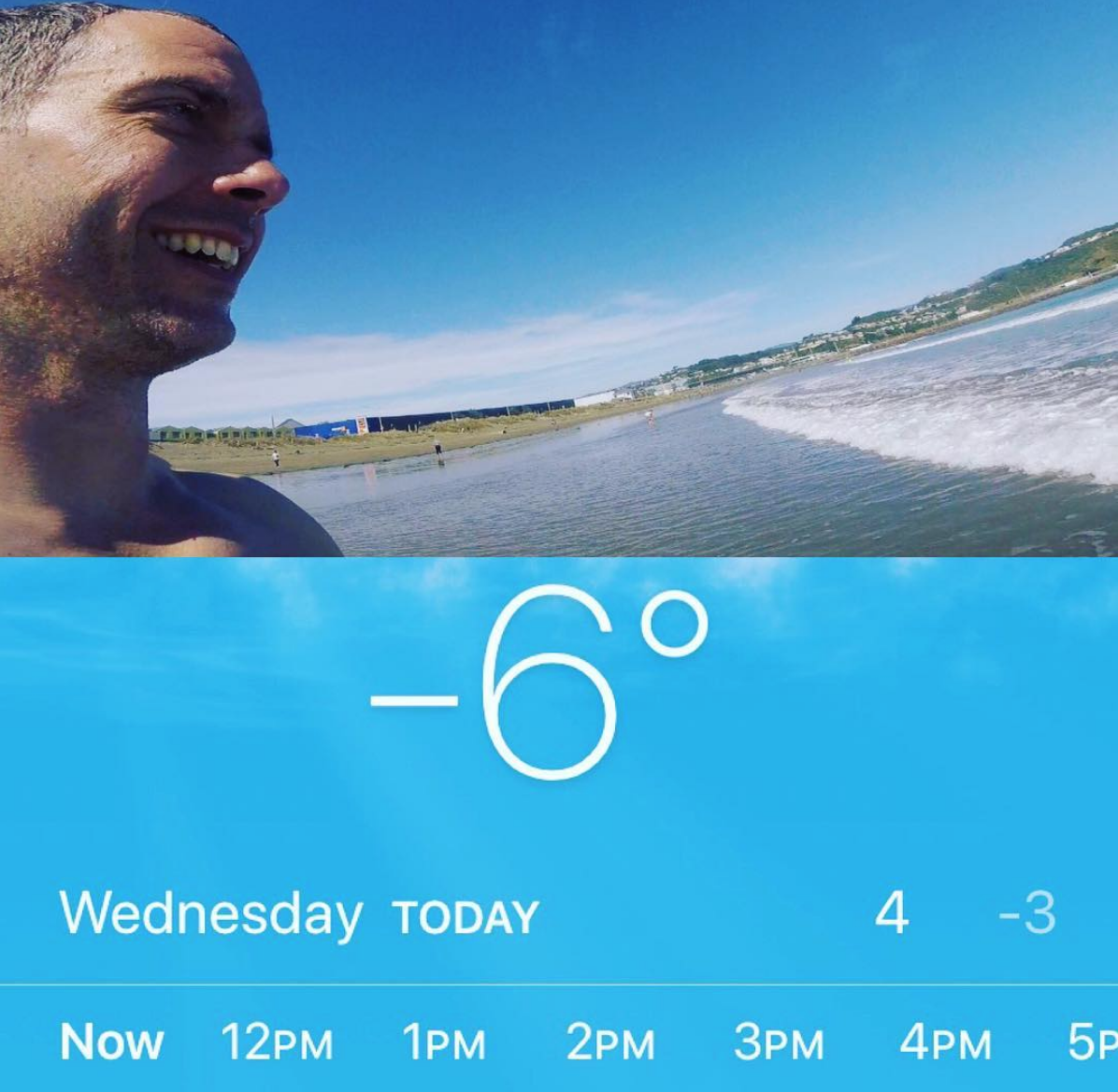
Sam, I hope you do not mind my use of your instagram picture. It is the only one that could accurately capture the return.

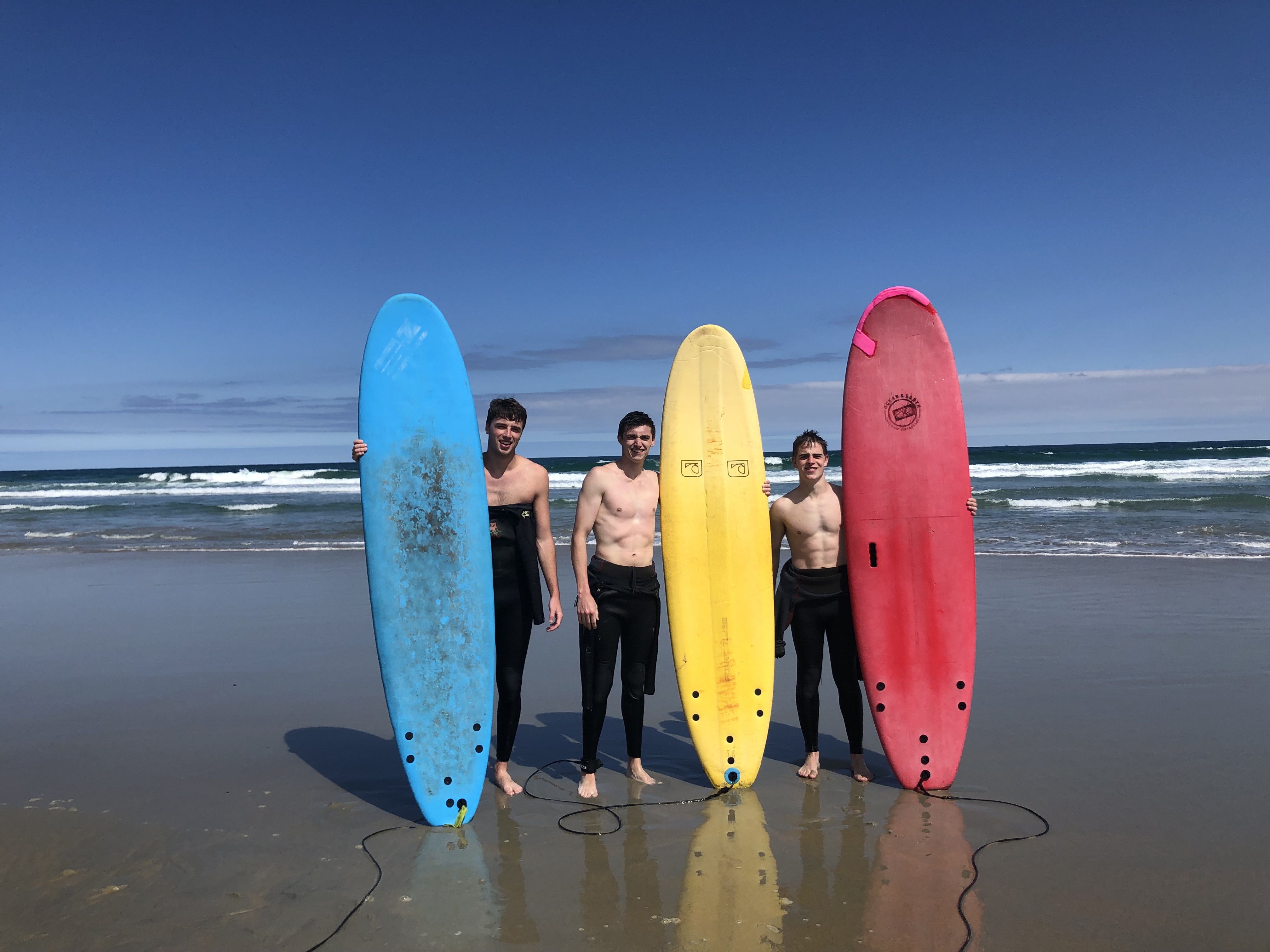
And we did it. I and all others have thankfully returned home to America safely with only a few stressful hiccups along the way (ask my friend Megan Remaley about LAX, or maybe don’t :o). It was bitter sweet to get on all of those buses and planes to make it back to below freezing winds in Chicago. All my friends were back at school and I was jealous, but damn I did not want to leave. Traveling around New Zealand is easily the best life experience I have ever had and I am so glad to have done it when I did and especially with the group of people I was lucky enough have along the way. Looking back to the day I wrote that pre-departure post “Haven’t Left Yet”, I would say I was a little too worried about the nature of the New Zealand people. I was right to think maybe we would be obnoxious Americans, but I do not think I have had a warmer welcome from the natives of any country I have visited than I experienced in New Zealand. We can definitely learn a lot from them here in the United States. I was also right that there was a lot of rugby consumed and played throughout the country, but again was too focused on the famous All Blacks. My eyes were truly opened to how ingrained rugby and sport in general is in New Zealand culture. It was truly awesome to see the passion New Zealanders hold for sports as an activity to be enjoyed rather than a means to wealthy end as it often is in America. It was another part of why I felt so strongly about staying and has me trying to plan when I can go back. As for “exploding with excitement to engage in many new adventures”, I was not disappointed in the slightest. I rarely get to see nature in all its wondering and beauty so I came out feeling fulfilled yet hungry for me. Bungy jumping was the wildest thing I have ever done in my entire life and I am not sure my parents were too happy about it, and my friends called me insane but were admittedly jealous. I already miss New Zealand, its people, and all it has to offer. I would be lying if I said I did not have an interest in working in sports in the country, especially as my favorite sport of basketball has begun to grow in recent years. Thank you to all who were on the trip and hopefully had the experience of a lifetime by my side just as I did. Also, I slept on the flight so to past me, stop worrying so much.

The Final Post-Blog Entry 15: Post Departure
The Nation of New Zealand and its People

What does it mean to be a New Zealand? Rugby? Cricket? Fish and Chips? I am afraid that my writing this entry will circle back to the many stereotypes within New Zealand that from the outside seem to define what the countries people are all about. I have experienced many of them: I have played touch rugby, I have played and watched cricket, and I have eaten a countless number of fish and chips meals. It is hard to push away from these things to think more deeply about who a New Zealander is. Prior to coming here, we read about how rugby has shaped the nation and its players have become figures of national identity, but we also learned how the immense importance of the sport has split the population. So, yes obviously sport plays a large role in our defining of a New Zealander and the pride they hold being from this island. However, before I really delved into thinking about who they are, I wanted to think about what it means to be an American. We are definitely proud to be from our country, just as Mark Falcous demonstrated to us by simply asking the room to raise their hand if they were proud to be an American during his lecture. Not a single hand was not raised in the air that day. But, what else is there? The American Dream? Chasing your passion to make it into a career and take advantage of the monetary opportunities Capitalism provides us? How about American sports? I think the same concept of the American Dream applies there as well. Still, I wanted to really break it down. Forget the outward perceptions of a people or culture formed by infrastructure, institution or organization. I believe there was far more to be learned from the individual people themselves.

As a result, I kept this prompt in my head as I observed locals in each city we visited. How they interacted with each other and with us as foreigners. What I learned was that these people are genuine. They are down to Earth as one might say. Of course, there is diversity among them as there is everywhere, but from my observations and interactions with them life is a blessing and is to be shared with those around you. They understand the meaning of the little things and I think one thing they do best is just stopping and realizing their surroundings. In America we are too easily distracted by the fast-paced life riddled with stress and responsibilities that consume our minds and bodies (at least I know I am). A New Zealander celebrates the bountiful nature around them, engages with it, and in turn engages with one another. I had never hiked a mountain, never been on a sail boat, and never met such openly nice people in my entire life. I guess I saw countless examples of what it meant to be a New Zealander, but I will not try to limit their culture in words. Instead, I will use a real person to describe what it means to be a New Zealander. A person who is open to meeting new people, holding real conversations with them, treating absolutely everyone with respect, and all while holding an honest sense of humor. For me, Andy Grainger is what is means to be a New Zealander. Not everyone might understand this, but until I go back and experience something different, that is my answer. Quote me on it.

Blog Entry 14: The Nation

Dr. Gary Hermanson and Sports Psychology

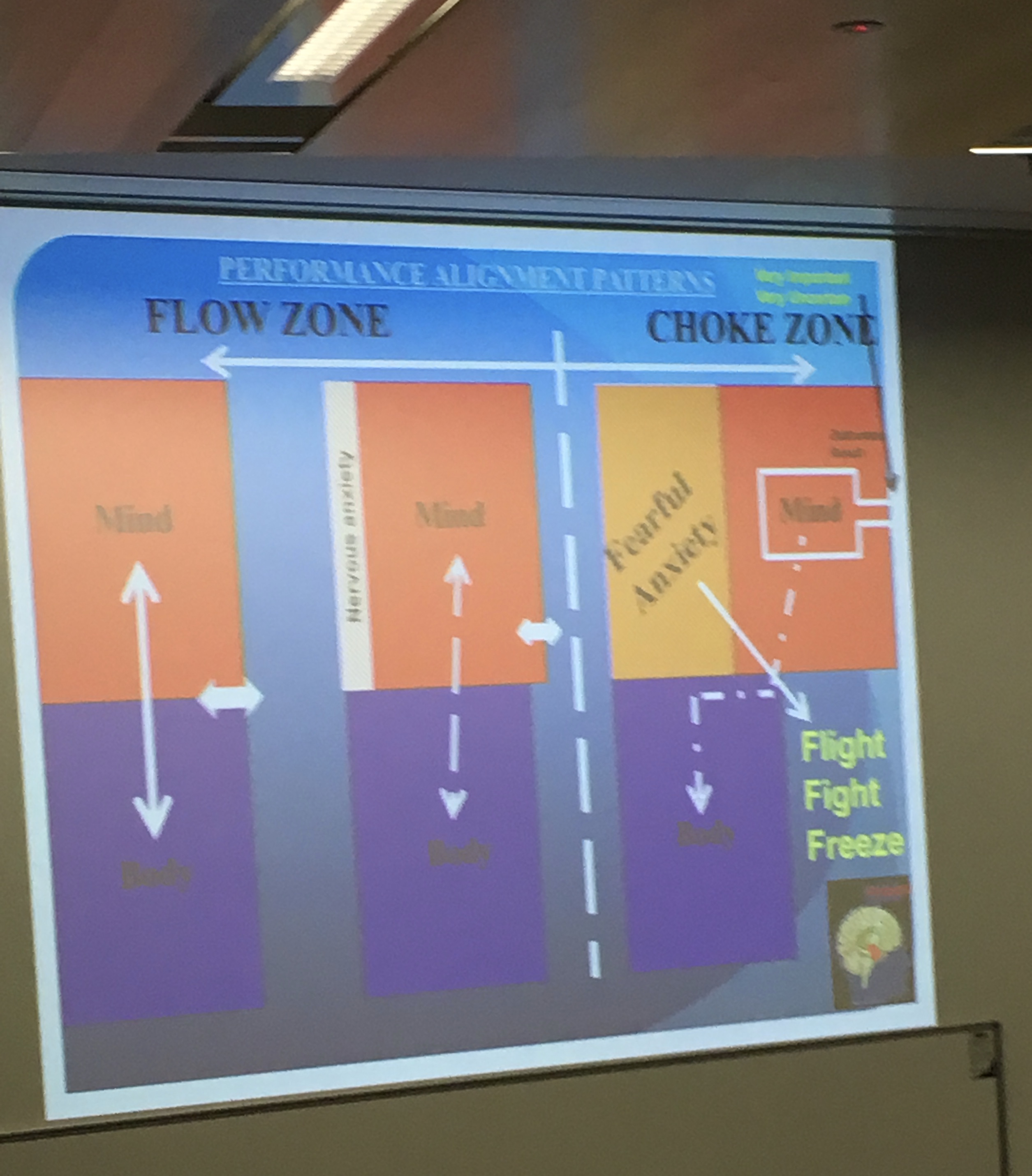
Today, I think I experienced one of the most interesting and engaging lectures I have ever encountered. Interestingly, it was and was not because of the person delivering it. Dr. Gary Hermanson has had a very captivating career as a sport psychologist but is not the liveliest presenter I have ever listened to. Still, I felt enamored by his stories, theories, and models surrounding the psychology of sport. I mean the man is an illustrious figure in the field and especially within that field in the country of New Zealand. The people and teams he worked with communicated to us just how important he was to New Zealand sports. He showed us pictures of him at the Olympics, standing with Kobe Bryant, and hilariously a picture that featured a photo-bomb from Prince Harry of England himself. Dr. Hermanson dropped some serious knowledge on us as well and was consistent with having us answer and ask questions throughout the lecture. Below is a picture of one of his models regarding “Performance Alignment Patterns” which related to how sport induced anxiety causes strife between the mind and body while performing.

I really internalized a lot of what Dr. Hermanson spoke about. It was like everything he was saying just made so much sense looking at it from the perspective of a former athlete. I soon realized this was simply because I experienced a lot of performance induced anxiety as I matured through sports. I always felt I had to perform up to or above the standard to make my father or family proud. I had to prove to my peers that I was one of the better athletes in our class. I can remember pretending to be sick or thinking I was sick during a championship basketball game when I was probably in the 3rd grade because I was just really anxious. After hearing him speak I was almost angry that I had not identified what might be going on with my anxiety levels when I played sports. I felt like to have experienced that at such a young age and seeing retrospectively just how arbitrary a 3rd grade championship basketball game was that it was most definitely a predictor of what was to come. In high school, I was an undersized guard who had to fight every practice just for a shot at getting anytime on the court in a game. My coaches loved how I worked every day in practice, but I would more than often get on the court, freeze up, overthink things, and make mistakes that would just earn me my spot on the bench. I talked to Dr. Hermanson after his lecture just to ask about what it would take to become a sports psychologist and well I am definitely a bit past the point of no return with my nearly completed major. I would essentially have to gain a psychology degree, then likely be put through more schooling, attain 2,000 hours of supervised observation or practice of a psychologist, and pass a test just to become a practicing psychologist myself. I was just so drawn to the idea of it as soon as I realized my own personal experience with anxiety in sport. I guess we will see what happens, but chasing that career down might be currently out of sight.  

Personal Post_5: Blog Entry 13

Te Papa: Terracotta and WWI

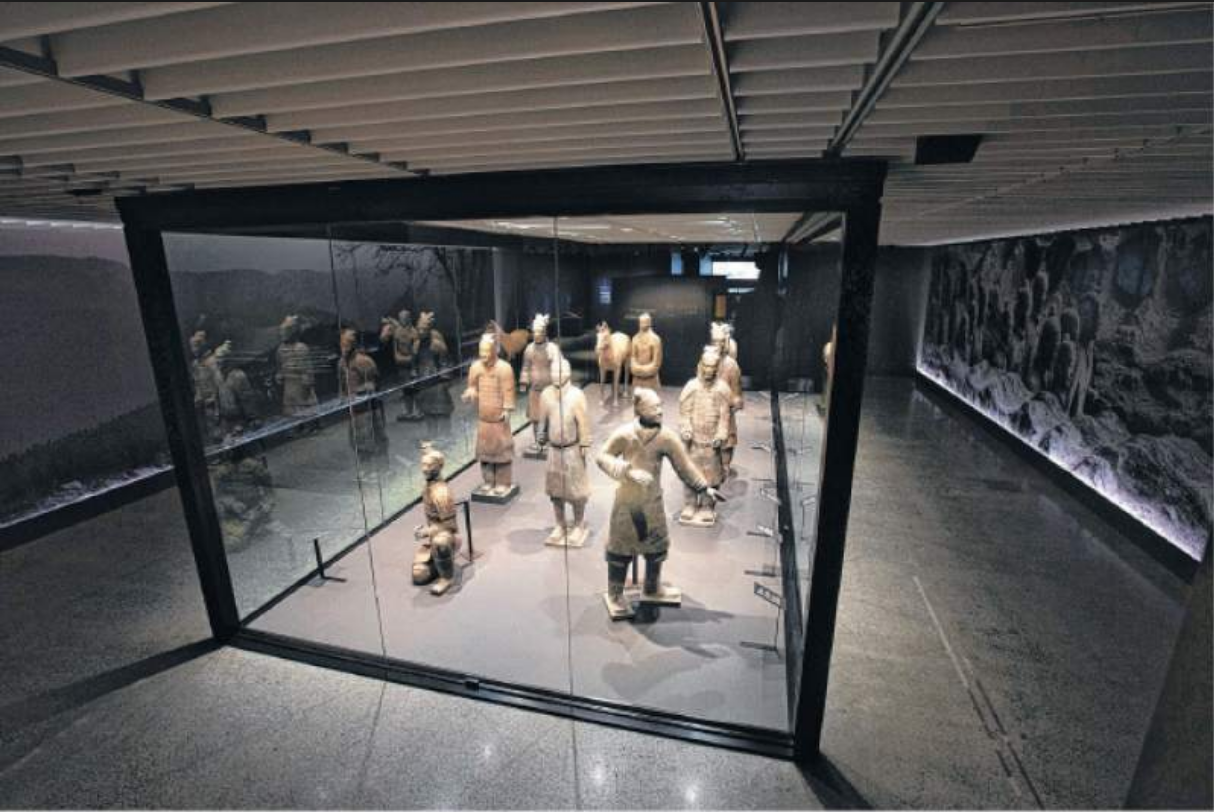
Picture Credit: http://gisborneherald.co.nz/localnews/3851723-135/terracotta-warriors-arrival-momentous-for-te

After being privilegded enough to hear a leading Sports Psychologist speak (Dr. Gary Hermanson) and visit Wellington Cricket today, a few friends and I headed over to the Museum of New Zealand Te Papa Tongarewa near the waterfront in Wellington. Upon our entrance, we walked up a set of stairs and were faced with a decision to see a few of the famous Terracotta Warriors of China or delve into the history of New Zealand’s involvement in WWI. The latter was free so the decision amongst us was made rather quickly. Also, I think we were all a bit confused as to why a New Zealand museum had a display of Terracotta warriors, but after some slight research I may have discovered the connection that drew them to Te Papa. An article written by Redmer Yska contained snippets of an interview of the art historian who is responsible for bringing them to Wellington. Te Papa curator Rebecca Rice is a self-proclaimed sinophile (a person with a strong interest in Chinese culture), according to Yska, found herself desiring to bring part of the army to New Zealand after visiting China in 2017. Rice’s reasoning for constructing the exhibit was that the Maori share beliefs surrounding the afterlife and ancestors that align with those held by the Chinese. After discovering this, I can say I feel some regret for not paying the $20 to see the delicately designing and assembled statues. However, the WWI exhibit provided a chance to learn about how this small country impacted such a large war over a hundred years ago.

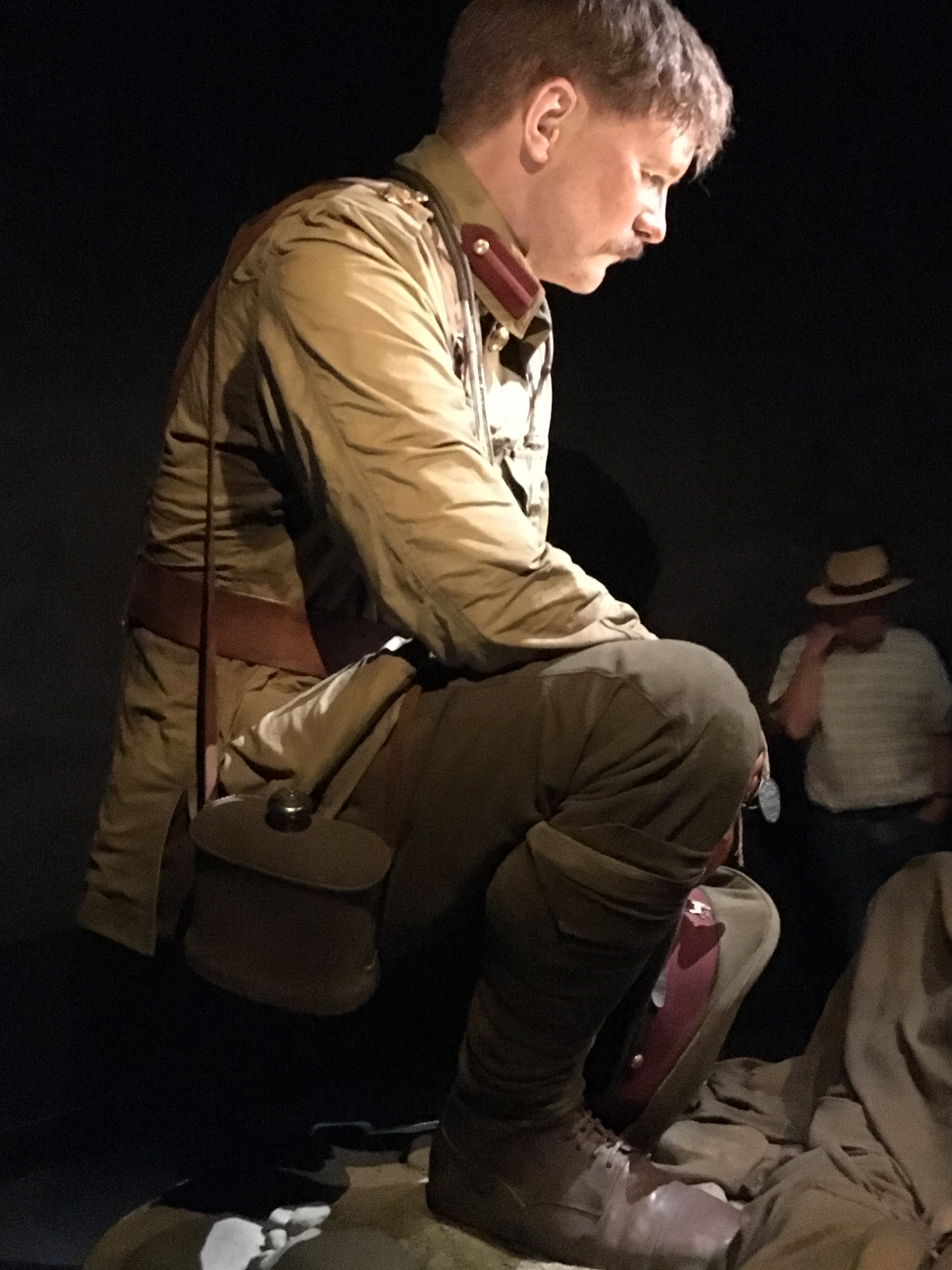
Giant displays of real soldiers whose writings from the war were being read aloud through speakers were definitely the most captivating pieces of the exhibit. The detail of the larger than life figures was truly impeccable and the stories heard were surreal. Moving through the displays we came across smaller yet intriguing artifacts from soldiers who endured the brutal war. Perhaps my favorite was a small prayer book that saved the life of Private Hone Tahitahi. Seen below, in the bottom right corner of the booklet a Turkish bullet is lodged between the pages. The verse just above translates to “Take courage, It is I. Don’t be afraid.” I have heard stories of occurrences similar to this where a book of coin stopped a bullet in its tracks that would have otherwise been fatal, but to see such a piece of history was an amazing experience. I wish we had taken more time to peruse other areas of Te Papa but were eager to explore the rest of the city in the little time we have left in Wellington. I am entertaining the idea of another trip to the museum before we depart back to the states, however, I feel that we have just begun digging into the rich culture of this beautiful waterfront city.

Blog Entry 12: The Museum

The USMC and Wellington: A Favorable Bond

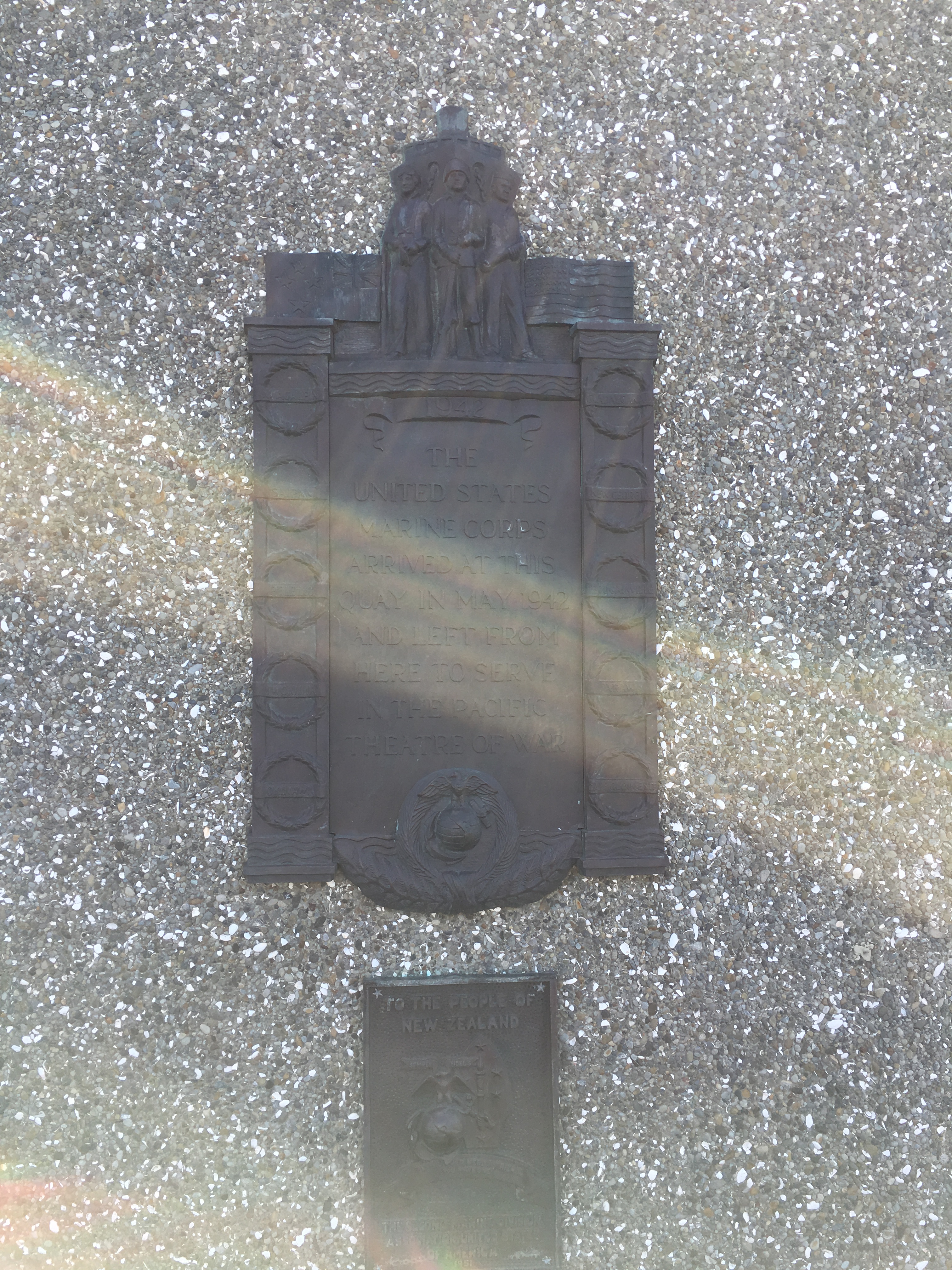
Many historical markers were passed friends and I traversed the country of New Zealand and I must say I took pictures more than I should have. I am all for learning and feel I have always been weirdly drawn to exploring the history of each new place I visit. However, I was not expecting to experience such a dense number of historical markers around the city of Wellington. I had figured the city would rich with New Zealand culture as it is the capital of the country, but I believe my surprise to be due to a lack of historical knowledge of the country especially with its involvement in WWII. I can say that it all makes sense that New Zealand would have provided the Allies some support in the war with their past as a British colony. This being said, I was not aware that New Zealand had become a useful post for America to store supplies and soldiers before they departed and headed into battle through the Pacific. This fact was introduced to me by an inconspicuous bronze plaque laden in a wall on a shore line walkway of Wellington. As seen below, the marker reads “The United States Marine Corps arrived at this Quay in May 1942 and left from here to serve in the Pacific theatre of war.”

Commemorative plaque along the waterfron

In an article titled The Town Was Full of Them”, Peter Wells provides background to the plaque’s place and meaning in Wellington. Wells states that in 1942, tens of thousands of 2nd Division U.S.M.C arrived by ship in Wellington carrying loads of supplies with them. He also adds that this shipment arrived without any formal communication that they were coming to the capital of the country. Yet, there is a plaque to honor them? Yes, because for the most part New Zealand was welcoming of the U.S. help as their shared in the same goal to defeat the evil that was plaguing Europe. Furthermore, Wells reports that American soldiers loved the country as they were seemingly welcomed with open arms all over Wellington which was probably due to how strong their American dollars were. The plaque commemorating this occurrence definitely stopped me in my tracks along our walk down the waterfront that day, and I was weirdly thrilled to learn about the USMC ties to Wellington and the country as a whole. With so many US soldiers stationed in the country I can only imagine what percentage of them stayed after the war and how many brought a significant other home to the U.S. Honestly, I could not tell if it made me feel more or less like a tourist, but either way it was a fascinating discovery.

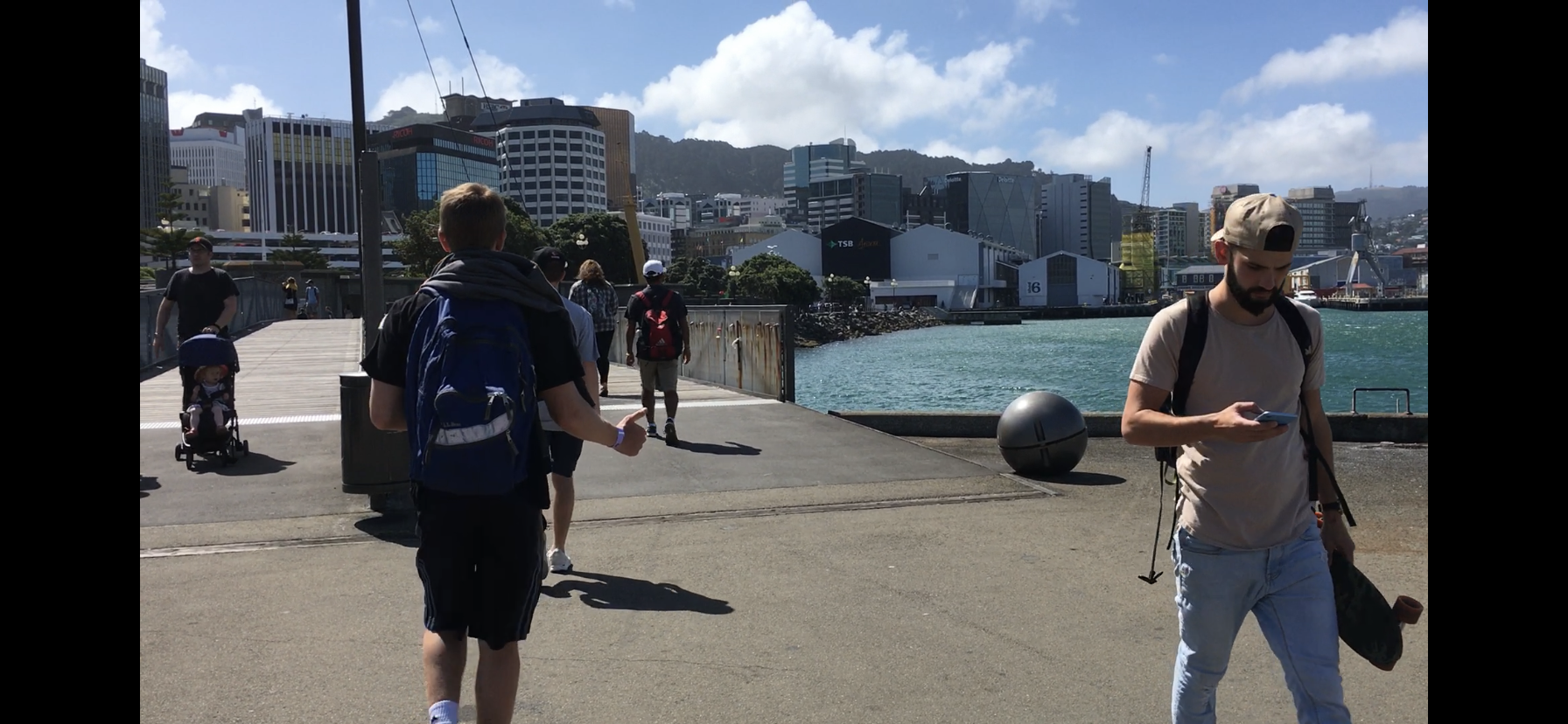
Aaaannd me catching to the group after taking too long at the plaque. (Thanks for the thumbs up, Logan)

http://www.if-9.de/cmc/cmc_22.htm- City, My City-The Town Was Full of Them by Peter Wells

Blog Entry 11: The Historical Marker

Queenstown, New Zealand

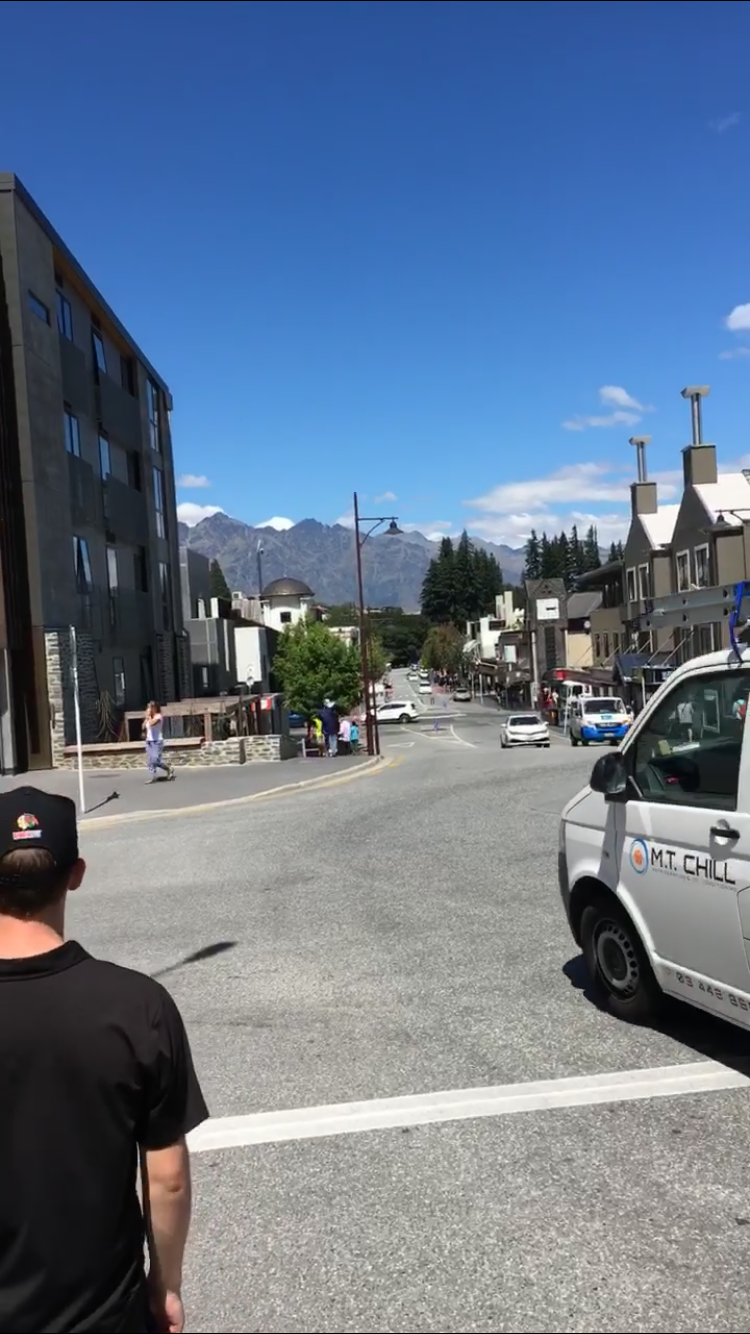
Update: The coolest destination I have ever visited is no longer Tunnel Beach. On January, 18 2019 we arrived in Queenstown, New Zealand. We had been immersed, rather introduced, to two vastly different cities of New Zealand as we traveled through Auckland and Dunedin. Queenstown did not deviate from this fact. Every single native of the country had told us we would love Queenstown in the numerous small talk conversations held in elevators over the past two weeks. They were far from wrong. Arriving in the action sports capital of the world and reaching our accommodation at the Pinewood Lodge delivered to myself and peers nothing but awe. Surrounded by mountains, it suddenly felt as if we were in another country. Moreover, walking into town made it feel like we were strolling the streets of our country in a Colorado ski town. Outdoor clothing stores were dispersed along sidewalks, but more obviously prominent were the adventure stores offering nearly any action sport experience you could conjure up. They seemed to be on every corner with a chalk board listing the activity and price sitting right outside their door. It was hard to avoid the opportunities and even harder to decided which activities to take part in. Finally, I was convinced to bungy jump and again influenced to upgrade to the “big boy” jump….

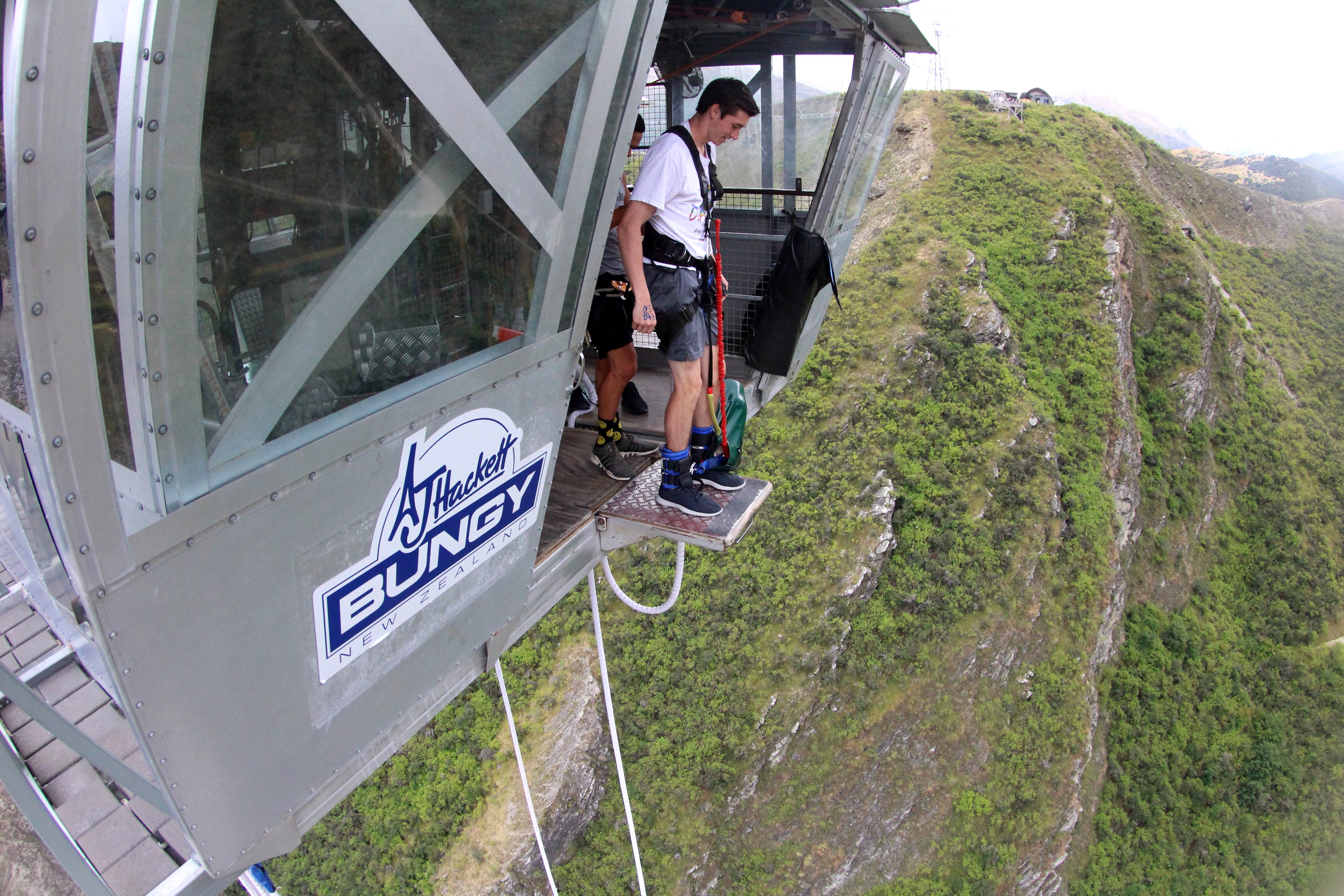
They told us not to look down…

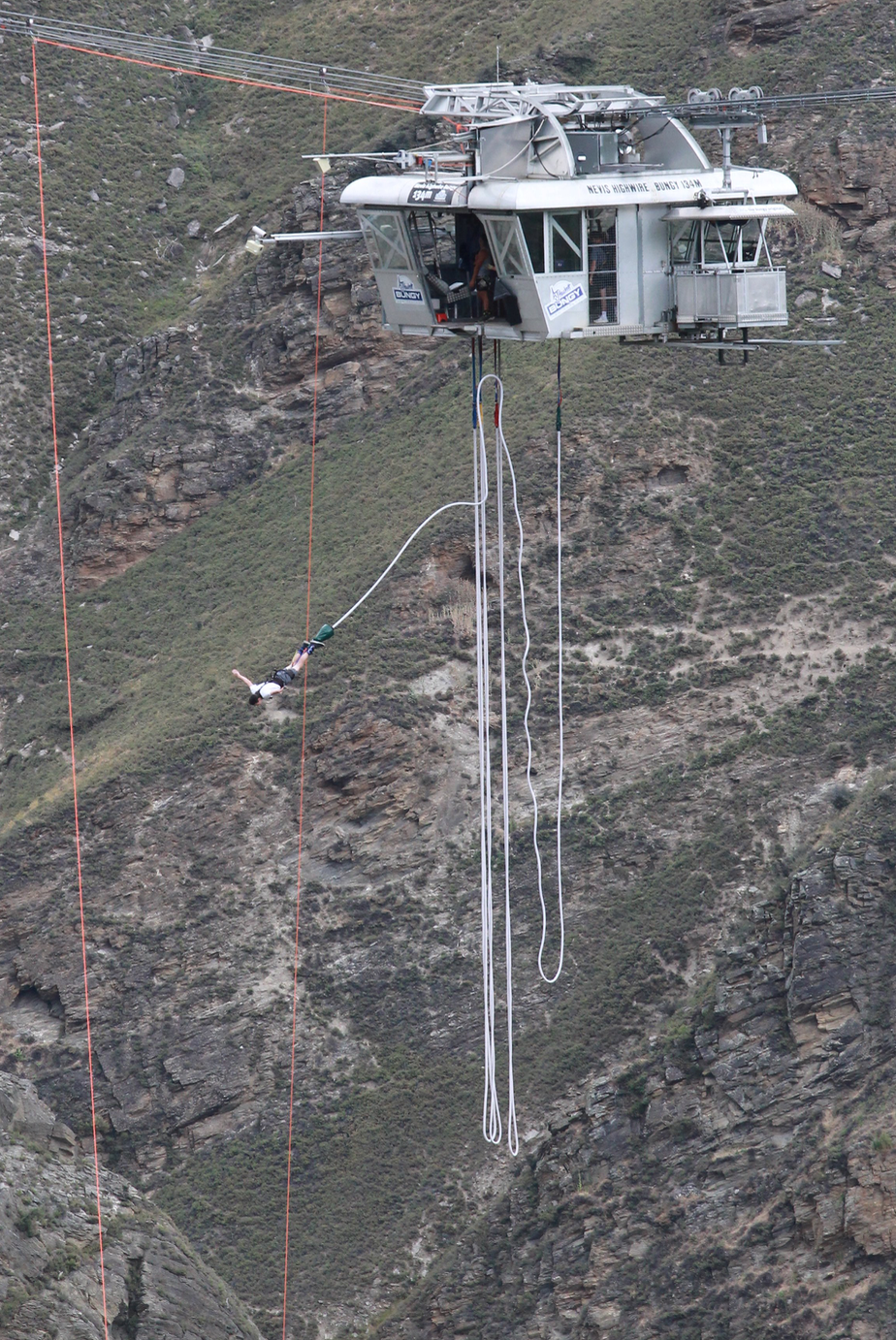
I nearly puked on the bus ride there and was a bit shaky as I stepped up to the platform. The jump was 134 meters (roughly 440 feet or 40 stories) above a river lying at the bottom of a valley. We trolleyed out to a “pod” suspended by three wires where we were then set up to finally bungy. Standing there waiting while watching others was both comforting and terrifying. The wind caused us to sway slightly which was definitely not fun. However, when it came time to put my toes over that edge my mind went blank, all I heard was a “5, 4, 3, 2, 1, Bungy!”, and there I went. I tried to scream something I will not put into words on paper and recall a whisper only I could hear. It was the most adrenaline I have ever felt pump through my veins and by far the most invigorating experience of my entire life. I understood why people left their lives elsewhere and moved to Queenstown.

The next day I went canyoning with another group of friends that unfortunately paled in comparison to bungy jumping but stepping back and ignoring that perspective it was still surreal. Zip lining, jumping off cliffs, and slipping down rock slides into freezing cold water was one way to wake up after a fun night downtown. The views were incredible and our guides were crazy men jumping off cliffs I would estimate to be 20 feet up into water around 2 feet deep. Shortly after, I was walking through a park with some friends to have paragliders land just feet in front of us with absolutely no one in the park acknowledging how absurd this was except for us. It truly spoke to the nature of that city and the lifestyles the residents embrace. Going back is definitely on the bucket list.

Blog Entry 10: Queenstown

New Zealand Cuisine: Doritos?

From when I first arrived in Auckland to getting through Dunedin, one thing has consistently been available: Doritos. However, they are not the Doritos of America but rather are flavored and marketed differently. The first bag I saw was in Auckland where the light purple packaging contained a similar flavor of chip. It was Thai Sweet Chili, which was probably slightly healthier (if that’s possible) and definitely less flavorful than its American counterpart Spicy Sweet Chili. I would like to say I am not really an avid Dorito consumer, but I noticed the light purple compared to dark purple packaging with a minor adjustment to the wording of their flavoring had been confusing other peers on the trip. Often, the situation would arise where someone would buy them from the vending machine, open them up, eat a couple, and say “aww these are different.” Others might have been more obnoxious about it by announcing on the bus “the Doritos here suck!” Regardless, we all soon understand (admittedly a little embarrassed by it) that New Zealand Doritos are obviously different than those in America.

2 for $5.50? Not the worst deal around.

I know was surprised to see red, green, and yellow packages all representing different flavors, moreover, ones not ever observed in the States. As you can see in the picture above taken in a convenient store in Queenstown, flavors “Salsa” and “Original Salted” are in yellow and green bags respectively. I did end up trying both with neither one being unique to their given names, but still enjoyable as chips or “crisps” go. I acknowledge that this was no crazy cultural difference that none of us could have seen coming, but maybe us Americans who love their Doritos felt duped by assuming the package color indicated remembered flavors from home?  I think it was a bit naïve of us, but hope this was different than most food blogs written from abroad you encounter.

Blog Entry 9: Food

Baseball in New Zealand

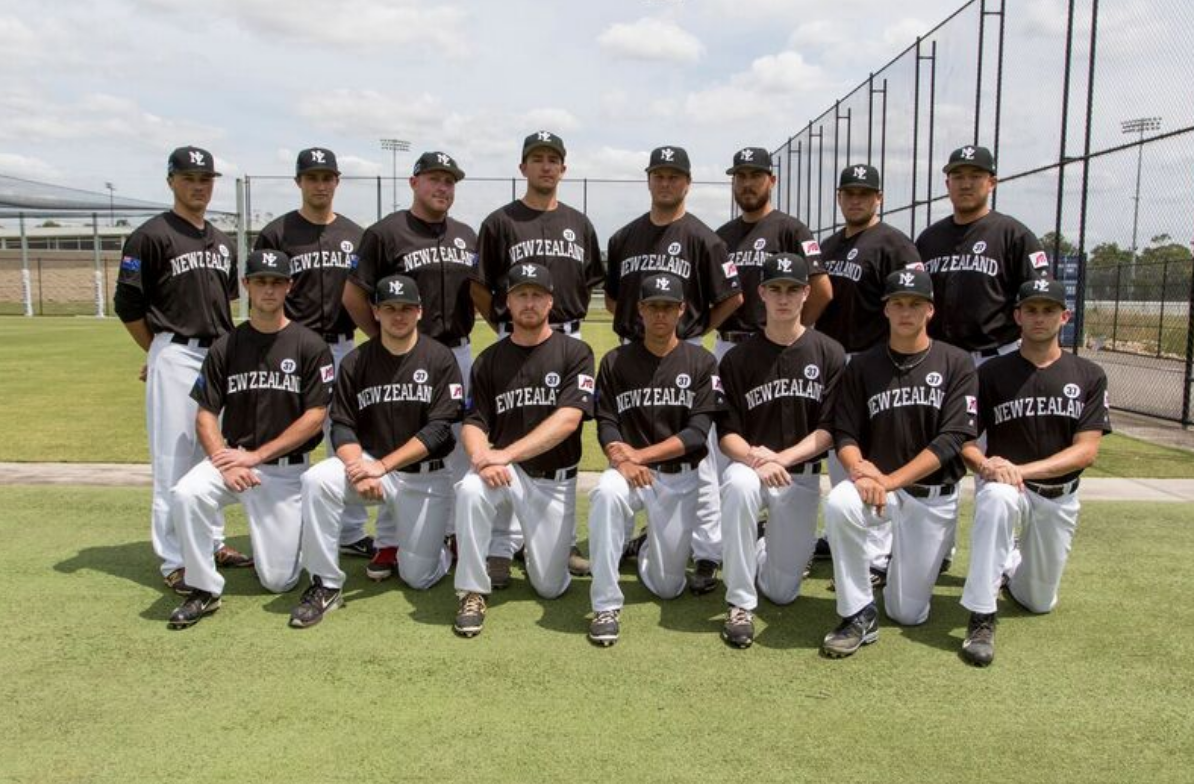
Baseball New Zealand’s National team: The Diamondblacks

Today, we welcome Dr. Rachael Batty as she informed us on the status of baseball in her home country of New Zealand. After seeing cricket everywhere and having a go at it ourselves, I think everyone was intrigued to hear what she had to share. Of course, most other sports such as cricket or rugby were introduced to the island by their former colonizer Britain, but the American sport of baseball was brought over to New Zealanders by US and Canadian visitors in the late 19th century. Furthermore, Rachael emphasized that participation in the sport initially began to grow during WWI and WWII as US soldiers were stationed throughout the country. Moving forward, she then discussed their structure for introducing the game to children and the system through which they progress. It was much like the one we have in America, but simply is not as popular. Rachel also listed some of the hindrances for the future growth of the sport in her country which were nothing out of the ordinary, and more interestingly shared that softball is far more popular and receives a little more than 16 times the funding than NZ baseball does. That was a “woah” as an American who thinks of men’s softball as mainly recreational fun for former baseball players. However, Rachel then brought up a strategy for how they are trying to mitigate some of those restrictions to play in New Zealand such as a lack of fields or equipment….

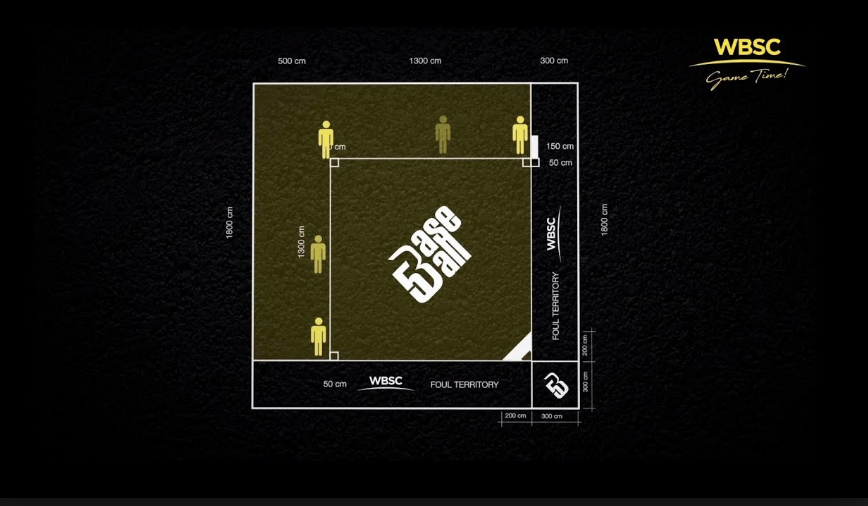
Layout of a Baseball 5 field

It is called “Baseball 5”, and honestly is not too much like the true sport of baseball. The game is played 5 versus 5 (usually on a concrete surface), lasts 5 innings long, there are no pitchers, no gloves, and no bats used to play. To hit, a player tosses the ball up and slaps it with their hand to put it into the field of play. It reminded me of four square, or a game we would have made up on the playground in middle school where we were provided with limited resources to be active at recess. Interestingly enough, while in grade school a group of friends and I developed a form of kickball we called “cricket”. Similar to cricket, you could kick the ball anywhere in a circular playing field and scoring runs consisted of running to where the pitcher’s mound was and back. This bit of nostalgia allowed me to realize and relate to the goal this new sport was to attain. They sought to introduce a way for New Zealanders to participate in their own form of the sport that did not require much to play in order to boost accessibility, social inclusion, and moreover help them develop fundamental ball skills. It made me really appreciate what organized sports has the power to do at the simplest and lowest levels.  

Personal Post_4: Blog Entry 8

Beach Through a Cliff

My favorite form of exercise has pretty much always been playing the sport of basketball. About a week ago, I arrived in Dunedin with peers and professors of my study abroad group, and the week’s agenda had pick-up basketball scheduled for Wednesday night. I am rather competitive and know a few others in my group share the same quality. Long story short I was really excited to get on the court with people I had never played with and get after it. Our lecture and visit to the Otago Highlander’s rugby club concluded in the early afternoon leaving me at a crossroads. I could stay and give some work to others on the court, or I could visit what ended up being one of the most beautiful places I have ever been. Thankfully after a receiving some simple advice that I am not sure Dr. Sam Morris wants credit for, a group of us opted into heading to Tunnel Beach for the afternoon. It did not disappoint…

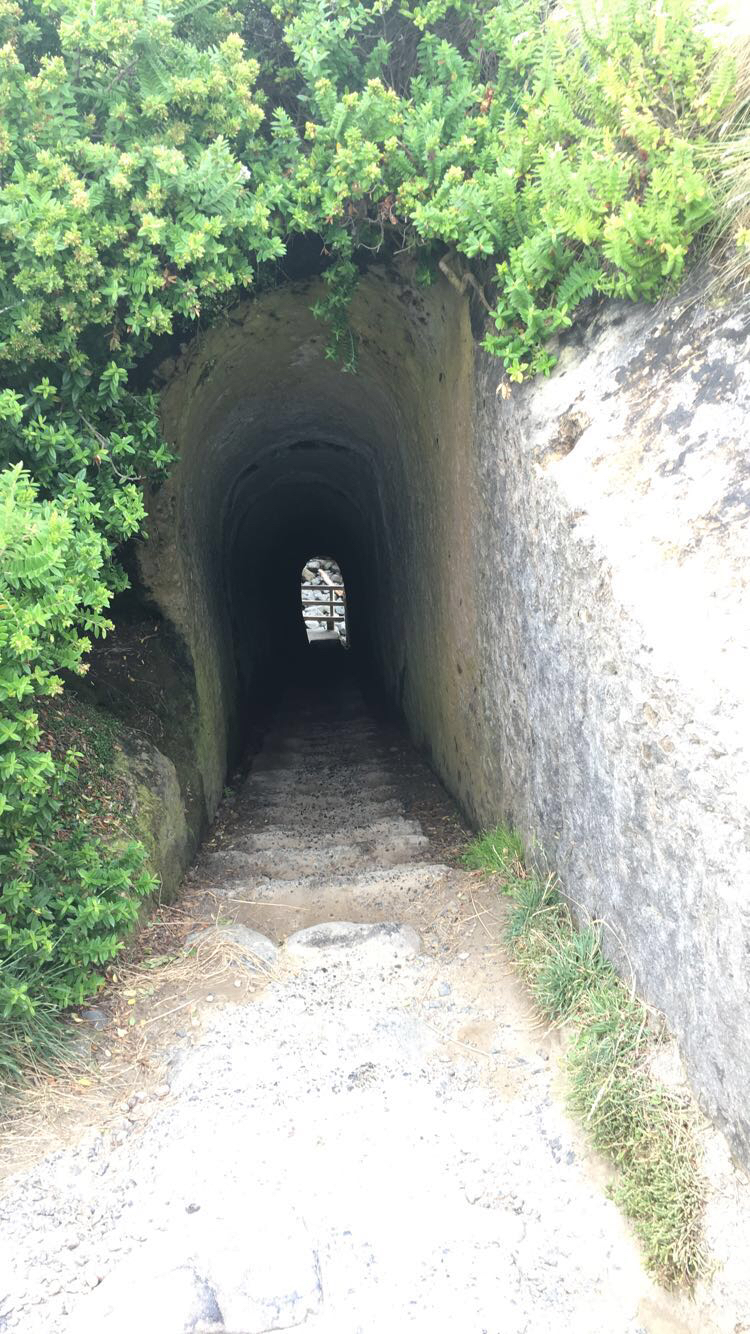
Tunnel responsible for the beach’s name

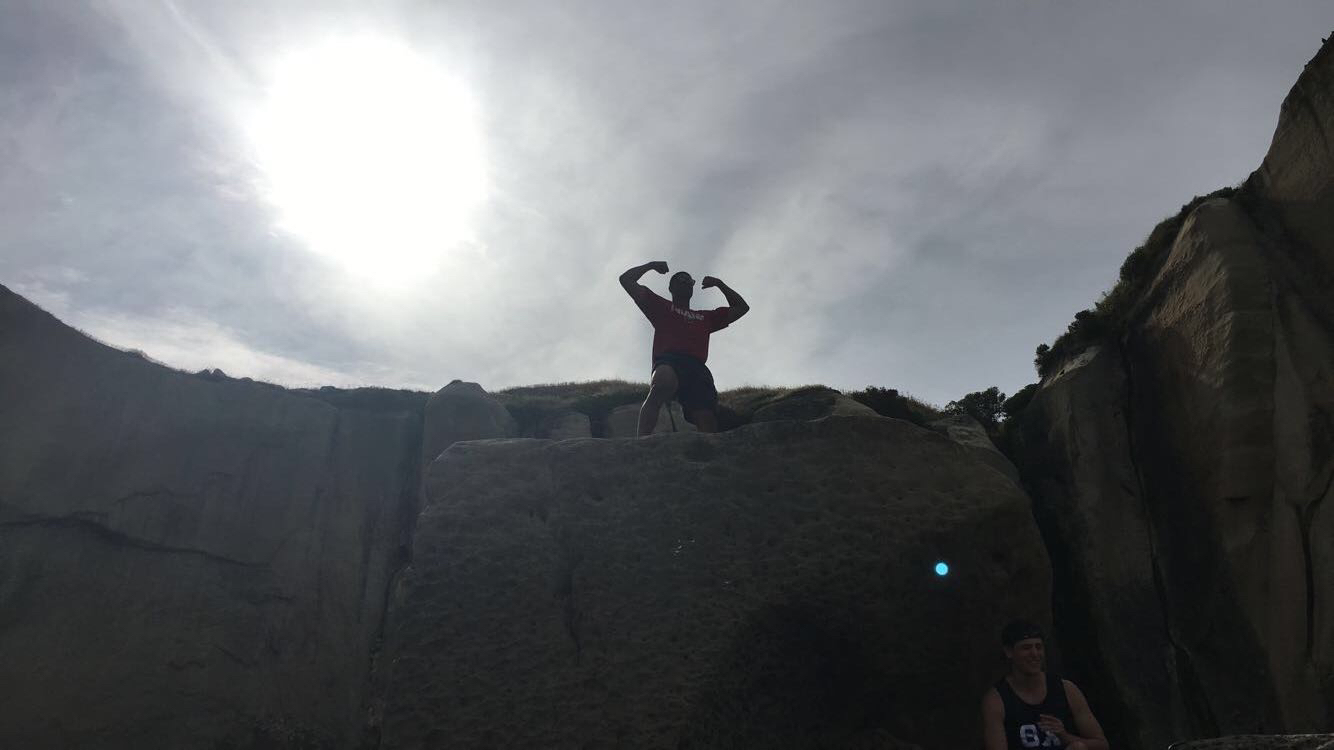
The steep winding hike spit us out onto tall sandstone cliffs looking out over a vast blue ocean. I really do not want this to be as cliché of a blog as it already sounds, but it was the most picturesque destination I have ever been lucky enough to visit. To the left of the walkway down lies a long tunnel with many steps and a low ceiling that was carved out in the late 19th century. At the bottom lies a gorgeous, sandy beach where cold South Pacific Ocean water has eroded surrounding cliffs away. After friends and I were finished clamoring for photos like the tourists we are, we kept in mind a piece of advice shared with us by a former student of the program. This student told us something along the lines of it being easy to get lost in trying to capture moments, but do not waste those valuable opportunities to be in the moment and physically take it all in. In turn, we climbed to the top of a boulder and simply sat looking out over the sea (and may have indulged in some adult beverages). It truly was something I will never forget and know will be missed upon my return to the good old cold and rainy Oxford, Ohio we love so dearly.

Khari atop our viewing Boulder

Personal Post_3: Blog Entry 7

What surfing taught me, or rather reminded me of.

Yes, I surfed yesterday. I mean kind of, its probably more accurate to say I tried surfing yesterday. Our itinerary said “Surfing lesson-St. Clair Beach at 2:30 p.m.”, but I do not feel we received much instruction. There were a ton of us to take out and “teach” so it really was no surprise that they split us into groups and told us how we should get up on the board and when while on the sandy beach. It was way easier to do what they were telling us to do while on solid ground. There was no wave coming in behind us we had to time up with and paddle out in front of and a lot less balance required to actually stand up on the board. I know I am kind of complaining right now, but that is really not what I am trying to do. In fact, about halfway through their instruction I ignorantly just wanted to get out there and try it for myself. What I am trying to do is explain how damn hard it is to actually get up and ride a wave straight forward for a couple of seconds. I consider myself a rather athletic person who generally adapts well to new challenges that require any aspect of athleticism. Surfing beat the hell out of me and was for sure a new obstacle I eagerly wanted to prove myself worthy of overcoming.

The current was strong. I mean just getting out into position to ride a wave might have been the most physically straining part of the whole thing. After my first encounter with that struggle, I paddled forward as a wave pushed in behind me. As I felt it start to move me towards the shore I hoisted myself up as quickly and as controlled as possible. My front foot landed solidly, but I could only kneel on the board with my back leg before I was thrown off balance and tumbled beneath the wave. I was feeling fine until I got to the surface and felt the chug of salt water I had just inhaled settle in my stomach. I could not go in yet, that was my first try and I felt like maybe I was close. I tried again and again with less promising outcomes each time. Finally, I laid on my board, rode a wave in, found some rocks for cover, and yes, I let the devil out of me. My lunch was now on the beach and I was ready to get back to it. Running out in that water, I was reminded of the resilience learning a new sport takes. I had this mixed emotion of excitement, eagerness, and disdain for what I was about to do. Thankfully, the repeated blunderings that the ocean dealt to me resulted in me getting up and riding about 6 or 7 waves in. I was proud of that and again was reminded of the practice it takes to really get good at anything. I finally hit the beach after feeling like I had accomplished something and all I could think of was learning the sport of lacrosse for the first time. For that I had a brother pushing me to keep trying until I was standing in front of a wall on my own for hours at a time using my frustration of failure to just keep going. No, maybe sport does not build character, but it sure can teach you something about developing a work ethic. Unfortunately for me, my biggest struggle with a lack of that development is the level of interest I have in something at that moment in time. And that is why I look back to sport to remind me of what it is like to put your head down and grind when it’s time to do so.

Personal Post_2: Blog Entry 6